
 数据结构
数据结构 网络
网络 关系数据库管理系统
 操作系统
操作系统 Java
Java MS Excel
 iOS
iOS HTML
HTML CSS
CSS Android
 Python
 C 编程
C 编程 C++
C++ C#
C# MongoDB
 MySQL
MySQL Javascript
 PHP
PHP 物理学
物理学 化学
化学 生物学
生物学 数学
数学 英语
英语 经济学
经济学 心理学
心理学 社会学
社会学 时尚研究
时尚研究 法律研究
法律研究为什么在 C/C++ 中,结构体的 sizeof() 结果不等于每个成员 sizeof() 之和?
使用 sizeof() 获取的结构体类型元素的大小并不总是等于每个成员的大小之和。有时编译器会添加一些填充来避免对齐问题。因此大小可能会发生变化。当一个结构体成员后面跟着一个更大尺寸的成员或在结构体的末尾时,就会添加填充。不同的编译器有不同的对齐约束。在 C 标准中,结构体的总对齐取决于实现。
案例 1
在这种情况下,double 类型的 z 长度为 8 字节,大于 x(4 字节)。因此会添加另外 4 字节的填充。此外,short 类型数据 y 在内存中占用 2 字节的空间,因此会添加额外的 6 字节作为填充。

示例代码
#include <stdio.h>
struct myStruct {
   int x; //Integer takes 4 bytes, and padding 4 bytes
   double z; //Size of double is 8-byte, no padding
   short int y; //Size of short is 2-byte, padding 6-bytes
};
main() {
   printf("Size of struct: %d", sizeof(struct myStruct));
}
输出 2
Size of struct: 24
案例 2
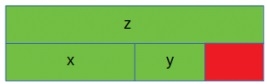
在这种情况下,double 类型首先插入,它占用 8 字节的空间。现在添加整数 x(4 字节)。所以还有另外 4 字节的空间。当添加 short 类型的 y 时,它可以放置在额外的 4 字节空间中,并占用总共 16 字节的空间。
示例代码
#include <stdio.h>
struct myStruct {
   double z; //Size of double is 8-byte, no padding
   int x; //Integer takes 4 bytes, and padding 4 bytes
   short int y; //Size of short is 2-byte, padding 6-bytes
};
main() {
   printf("Size of struct: %d", sizeof(struct myStruct));
}
输出 2
Size of struct: 16
案例 3
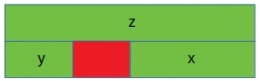
在第三种情况下,它也占用 16 字节的内存空间,但排列方式不同。由于第一个成员是 double,因此它首先放置,然后添加 short 类型数据。现在当尝试插入整数时,它可以放置在剩余的 6 字节区域中。因此,short 后面有一个填充,但整数数据后面不需要填充。
示例代码
#include <stdio.h>
struct myStruct {
   double z; //Size of double is 8-byte, no padding
   short int y; //Size of short is 2-byte, padding 6-bytes
   int x; //Integer takes 4 bytes, and padding 4 bytes
};
main() {
   printf("Size of struct: %d", sizeof(struct myStruct));
}
输出 2
Size of struct: 16

更新于: 2019年7月30日
764 次查看

广告