
 数据结构
数据结构 网络
网络 关系数据库管理系统(RDBMS)
 操作系统
操作系统 Java
Java MS Excel
 iOS
iOS HTML
HTML CSS
CSS Android
 Python
 C语言编程
C语言编程 C++
C++ C#
C# MongoDB
 MySQL
MySQL Javascript
 PHP
PHP 物理
物理 化学
化学 生物
生物 数学
数学 英语
英语 经济学
经济学 心理学
心理学 社会学
社会学 服装设计
服装设计 法学
法学如何在Android对话框中显示ListView?
此示例演示如何在Android对话框中显示ListView。
步骤1 - 在Android Studio中创建一个新项目,转到文件⇒新建项目,并填写所有必需的详细信息以创建新项目。
步骤2 - 将以下代码添加到res/layout/activity_main.xml。
<?xml version="1.0" encoding="utf-8"?>
<RelativeLayout
   xmlns:android="http://schemas.android.com/apk/res/android"
   xmlns:tools="http://schemas.android.com/tools"
   android:layout_width="match_parent"
   android:layout_height="match_parent"
   tools:context=".MainActivity">
   <Button
      android:id="@+id/btnClick"
      android:textSize="12sp"
      android:textStyle="bold"
      android:onClick="openDialog"
      android:text="Click here to get ListView in Alert Dialog"
      android:layout_width="wrap_content"
      android:layout_height="wrap_content"
      android:layout_centerInParent="true" />
</RelativeLayout>
步骤3 - 将以下代码添加到src/MainActivity.java
import android.app.AlertDialog;
import android.support.v7.app.AppCompatActivity;
import android.os.Bundle;
import android.view.View;
import android.widget.ArrayAdapter;
import android.widget.ListView;
public class MainActivity extends AppCompatActivity {
   String[] names = {"India", "Brazil", "Argentina",
      "Portugal", "France", "England", "Italy"};
   ArrayAdapter<String> adapter;
   ListView listView;
   @Override
   protected void onCreate(Bundle savedInstanceState) {
      super.onCreate(savedInstanceState);
      setContentView(R.layout.activity_main);
   }
   public void openDialog(View v){
      AlertDialog.Builder alertDialog = new
      AlertDialog.Builder(this);
      View rowList = getLayoutInflater().inflate(R.layout.row, null);
      listView = rowList.findViewById(R.id.listView);
      adapter = new ArrayAdapter<>(this, android.R.layout.simple_list_item_1, names);
      listView.setAdapter(adapter);
      adapter.notifyDataSetChanged();
      alertDialog.setView(rowList);
      AlertDialog dialog = alertDialog.create();
      dialog.show();
   }
}
步骤4 - 创建一个布局资源文件(row.xml)并添加以下代码-
<?xml version="1.0" encoding="utf-8"?>
<RelativeLayout
   xmlns:android="http://schemas.android.com/apk/res/android"
   android:orientation="vertical"
   android:layout_width="match_parent"
   android:layout_height="match_parent">
   <Button
      android:id="@+id/button"
      android:layout_width="wrap_content"
      android:layout_height="wrap_content"
      android:text="ALL COUNTRIES"
      android:layout_alignParentBottom="true"
      android:layout_alignParentStart="true"
      android:layout_alignParentEnd="true" />
   <ListView
      android:id="@+id/listView"
      android:layout_width="wrap_content"
      android:layout_height="wrap_content"
      android:layout_alignParentTop="true"
      android:layout_alignParentStart="true"
      android:layout_above="@id/button">
   </ListView>
</RelativeLayout>
步骤5 - 将以下代码添加到androidManifest.xml
<?xml version="1.0" encoding="utf-8"?>
<manifest
   xmlns:android="http://schemas.android.com/apk/res/android"
   package="app.com.sample">
   <application
      android:allowBackup="true"
      android:icon="@mipmap/ic_launcher"
      android:label="@string/app_name"
      android:roundIcon="@mipmap/ic_launcher_round"
      android:supportsRtl="true"
      android:theme="@style/AppTheme">
      <activity android:name=".MainActivity">
         <intent-filter>
            <action
               android:name="android.intent.action.MAIN" />
            <category
               android:name="android.intent.category.LAUNCHER" />
         </intent-filter>
      </activity>
   </application>
</manifest>
让我们尝试运行您的应用程序。我假设您已将您的实际Android移动设备连接到您的计算机。要在Android Studio中运行该应用程序,请打开项目的活动文件之一,然后单击工具栏中的运行 图标。选择您的移动设备作为选项,然后检查您的移动设备,它将显示您的默认屏幕 -
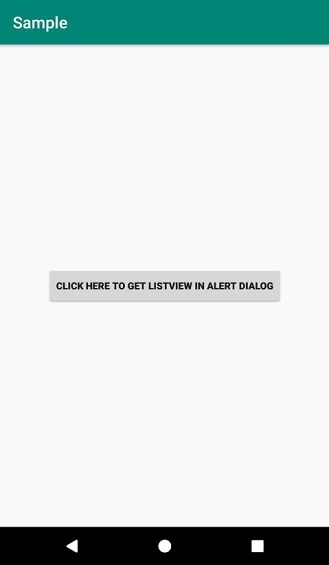
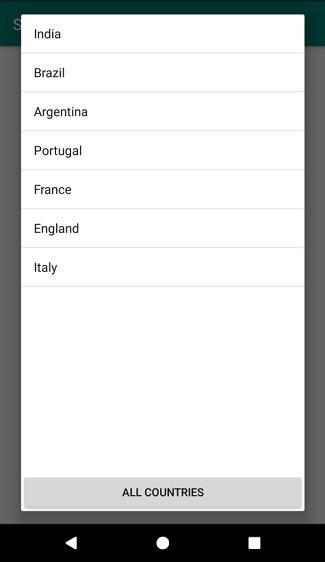

更新于:2020年7月2日
2K+ 浏览量

广告